
"country grading"
10000 article(s) found


Introduction to Colombian Coffee Export
German imports account for 25 per cent of Colombia's total exports, reflecting the country's excellent quality. The coffee grade is divided into top grade (Supremo), excellent grade (Excelso) and top grade (UGQ, Unusual Good Quality). Klauss coffee in the excellent grade is exported to Germany and Europa coffee is exported to Nordic countries. In most coffee
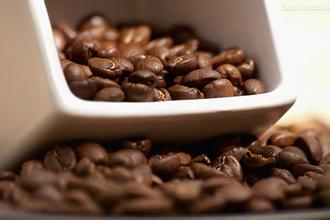
[literacy] have you made a clear distinction between the coffee bean grading criteria? (below)
There are different ways to manage the origin of coffee beans, some are composed of large and small farmers, some are dominated by professional business owners, even if the coffee in the same place, its quality and flavor are also different, in order to mark the quality of coffee, but also in order to make the transaction more convenient, so there is coffee grading. Highly classified by origin: Guatemala, brother

How do you grade coffee beans? Basic knowledge of boutique coffee beans
At present, there is no international standard for coffee bean quality classification, and the classification method varies from country to country, so coffee classification is carried out according to some characteristics applicable to each producing country. Take samples of coffee beans from a bag, judge them according to the standards of the producing country, grade the samples, and determine whether they are good or bad according to the evaluation.

How do you drink Kenyan coffee? What is the best coffee in Kenya? Kenyan coffee grades.
Professional coffee knowledge exchange more coffee bean information Please pay attention to coffee workshop (Wechat official account cafe_style) Coffee quality unfortunately there is no international standard, only by a few coffee characteristics unique to each country of origin. Take a sample of coffee beans from a bag, evaluate them according to the standards of that country, and then label the whole bag of coffee beans with a grade label.
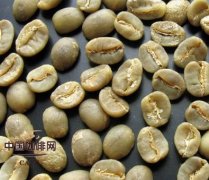
Boutique Coffee learn the basics of coffee how to grade coffee beans?
At present, there is no international standard for coffee bean quality classification, and the classification method varies from country to country, so coffee classification is carried out according to some characteristics applicable to each producing country. Take samples of coffee beans from a bag, judge them according to the standards of the producing country, grade the samples, and determine whether they are good or bad according to the evaluation.

Interpretation of the name of coffee beans and the grading of coffee beans
From: coffee town (teach coffee culture, make more people like coffee) 2014-03-04 11:50:59 at present, the grading system of coffee bean producing areas around the world is not uniform, each coffee producing country has its own grading system and grading name, so you may see the following words on the coffee logo: "SHB", "AA+", "Supremo", "Extra-Fancy", "coffee".

Coffee bean grading instructions
At present, there is no international standard for coffee bean quality classification, and the classification method varies from country to country, so coffee classification is carried out according to some characteristics applicable to each producing country.

General knowledge of Fine Coffee beans appearance and grading of Ethiopian Coffee
The grading we are talking about now refers to the grading of raw beans in the country where coffee is produced. (no matter which country coffee beans are not graded) Ethiopian coffee beans are divided into five grades. The first and second stages are reserved for washing beans with water. Grade 1 represents 0-3 raw beans and Grade 2 represents 4-12 missing beans per 300g raw beans. Grade 1 (G1) grade water washed bean pole

How to distinguish the grade of raw coffee beans? why do raw beans also have grades?
The name of the raw bean processing plant. For example, the long list of names of Guatemala Antigua SHB- Finca Los Volcanes-Antigua-Los Crop tells us the following information: producing country: Guatemala (Guatemala)-Guatemala is a famous coffee producer in Central America. Producing area: Antigua (Antigua volcano)-- this is the famous volcano coffee in the country.
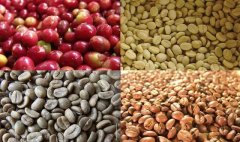
How are Ethiopian coffee beans graded?
The grading we are talking about now refers to the grading of raw beans in the country where coffee is produced. (no matter which country coffee beans are not graded) Ethiopian coffee beans are divided into five grades. The first and second stages are reserved for washing beans with water. Grade 1 represents 0-3 raw beans and Grade 2 represents 4-12 missing beans per 300g raw beans. Grade 1 (G1) grade water washed bean pole
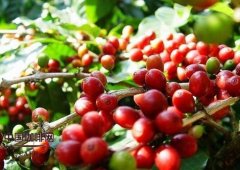
Basic knowledge of specifications and grades of coffee beans
Coffee beans are graded in different countries according to different grading systems. Some of these classification processes are overly complex and ineffective, such as the Haitian classification method, while the classification devices used in Brazil, despite their complex structure, are indeed necessary. Overall, there are six export grades, the highest being SHB (strictlyhardbean) extra hard coffee beans, or highland coffee beans.
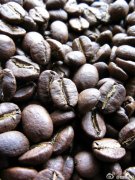
How coffee beans are graded in coffee producing countries
The traditional coffee bean classification method is usually based on the classification standard defined by the coffee producing country, and then agreed on the international market, and traded under such tacit understanding.

Comparison of coffee bean grade flavor of Panamanian jadeite manor brand coffee how much is a cup of rose coffee
Professional coffee knowledge exchange more coffee bean information please follow the coffee workshop (Wechat official account cafe_style) Panamanian Emerald Manor in the coffee world has always been a myth, its position in the coffee world, just like the DRC Romanee-Conti in the red wine world, the estate produces Rose summer varieties, flavor is unparalleled, has also won numerous world champions
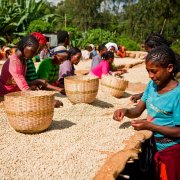
Kenyan coffee grading system Kenyan specialty SL28&34 coffee varieties Kenyan coffee origin
Professional coffee knowledge exchange more coffee bean information please follow the coffee workshop (Wechat official account cafe_style) Kenya Coffee KENYA is located in East Africa Kenya is one of the major coffee producing countries, the country's population of more than 6 million people are engaged in the coffee industry, mostly in the form of small farmers, wet processing plants and cooperatives. Kenyan coffee is mainly treated with water washing, coffee trees
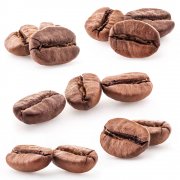
Grading according to the proportion of sieve and defective beans
Grading defective beans according to the ratio of sieve and defective beans is an important factor in destroying the flavor of the final coffee. Therefore, defective beans should also be removed in the final step of green bean processing. Therefore, according to the proportion of defective beans, supplemented by screen size is also used as a classification method. Due to the rise of the fine coffee trend, coffee producing countries are paying more and more attention to the quality of coffee. Controlling defective beans is the most important way.
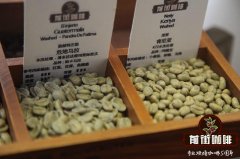
Grade and Specification of Coffee beans Coffee Grade Classification and Coffee Grade Pyramid
Professional coffee knowledge exchange more coffee bean information please pay attention to the coffee workshop (Wechat official account cafe_style) the latest coffee raw bean knowledge collation: coffee bean grade and naming law coffee bean grade and specification at present each producing country has its own independent standard. The most commonly used criteria are as follows: a: washed / non-washed B: flat beans / round beans

Basic knowledge of coffee bean appearance and grading of Ethiopian coffee
The grading we are talking about now refers to the grading of raw beans in the country where coffee is produced. (no matter which country coffee beans are not graded) Ethiopian coffee beans are divided into five grades. The first and second stages are reserved for washing beans with water. Grade 1 represents 0-3 raw beans and Grade 2 represents 4-12 missing beans per 300g raw beans. Grade 1 (G1) grade water washed bean pole

High-quality Indonesian coffee raw bean classification standard brand altitude planting environment origin
Boutique coffee beans 1. Generally speaking, coffee is not classified according to altitude in countries near the equator because coffee is grown at a higher altitude. In addition, if it is picked by hand and processed by washing, it will not be graded by bad points because there are few immature beans and sundries mixed in. Therefore, the size of the sieve number is generally used as the grading standard. Such as: Colombia, Tanzania

A Historical Story letter from Helsar de Zarcero Yersalo Manor, Orange County, Naranjo, Costa Rica
Professional coffee knowledge exchange more coffee bean information please follow the coffee workshop (Wechat official account cafe_style) Costa Rica's famous Helsar de Zarcero processing plant, established in 2004, has been repeatedly recognized by cup of excellence, is a world-renowned processing plant. Operator Seor Prez Barrantes is in the west.